
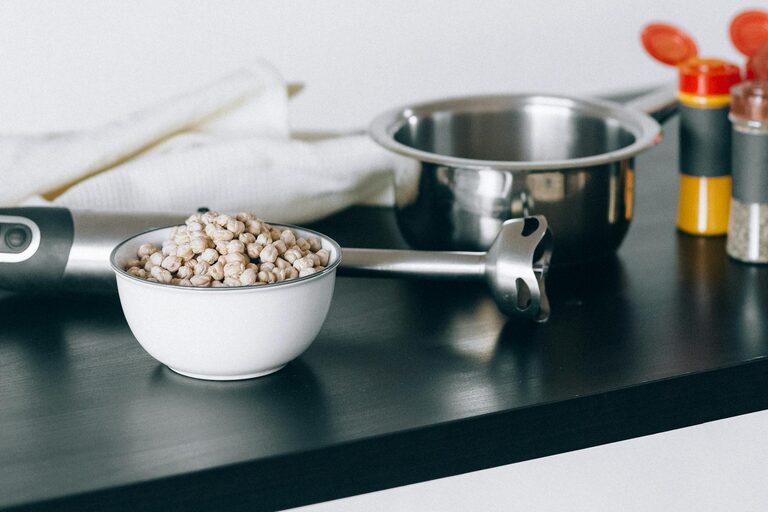
Planning meals using pantry staples is a smart way to save time, reduce food waste, and create delicious dishes without making frequent trips to the grocery store. Whether you’re aiming to simplify your routine, stretch your budget, or just make use of what you already have, your pantry holds more potential than you might realize. This guide will help you learn how to effectively plan meals from pantry essentials, making cooking enjoyable and stress-free.
Understanding Pantry Staples
Pantry staples are non-perishable foods that you keep on hand for everyday cooking. They typically include:
– Grains: rice, pasta, quinoa, oats
– Canned goods: beans, tomatoes, vegetables, broth
– Dry goods: flour, sugar, spices, baking powder
– Oils and vinegars
– Nuts, seeds, and dried fruits
Knowing exactly what you have in your pantry is the first step. Take inventory regularly to keep track of what items need to be used before they expire.
Step 1: Take Inventory and Organize
Before you can plan meals, get familiar with what’s in your pantry. Here’s how:
– Empty your pantry shelves: Pull everything out for a clear view.
– Sort items by type: Group canned goods, dry grains, spices, and baking supplies separately.
– Check expiration dates: Toss expired items.
– Make a list: Write down all usable items.
If you organize your pantry with labeled containers or bins, it becomes easier to spot ingredients quickly when you’re planning meals.
Step 2: Identify Flexible Ingredients
Some pantry staples are highly versatile. For example:
– Canned beans can be used in chili, salads, or dips.
– Rice and pasta serve as a base for many dishes.
– Canned tomatoes are great for sauces, soups, and stews.
– Spices like cumin, paprika, and chili powder can change the flavor profile dramatically.
Think about meals that can easily accommodate these staples, and keep a list of your favorite recipes that include them.
Step 3: Plan Balanced Meals
When creating meal plans from your pantry, focus on balance. A well-rounded meal often includes:
– A carbohydrate source (rice, pasta, potatoes)
– A protein source (canned beans, lentils, canned fish such as tuna or salmon)
– Vegetables, fresh or canned
– A touch of healthy fats (olive oil, nuts, seeds)
For example, a simple pantry-friendly meal could be pasta tossed with canned tomatoes, garlic, olive oil, and canned tuna.
Step 4: Use Meal Planning Tools
To keep things organized, consider creating a weekly meal plan. Write down meals based on your inventory, ensuring variety throughout the week.
– Use apps or printable planners to track meals.
– Plan to “shop your pantry” first before buying fresh ingredients.
– Include meals that use similar ingredients to prevent waste.
Step 5: Batch Cooking and Leftovers
Cooking larger portions allows you to save time on busy days. When planning meals from pantry staples:
– Cook a big pot of chili with canned beans and tomatoes.
– Prepare rice or quinoa in bulk.
– Make soup using broth, canned vegetables, and noodles.
Store leftovers properly for easy reheating, helping you avoid eating out and minimizing food waste.
Easy Meal Ideas Using Pantry Staples
Here are several straightforward recipes that highlight pantry staples:
1. Chickpea Curry
– Canned chickpeas
– Coconut milk or canned tomatoes
– Curry powder or spices you have
– Rice (for serving)
Sauté onion and spices, add chickpeas and tomatoes or coconut milk, simmer, and serve over rice.
2. Tuna Pasta Salad
– Pasta
– Canned tuna
– Olive oil or mayonnaise
– Herbs/spices
– Any canned or fresh veggies you have
Cook pasta, toss with tuna and dressing, add veggies for a filling meal.
3. Bean and Rice Burritos
– Canned beans
– Rice
– Tortillas (pantry or fresh)
– Spices and salsa
Heat beans with spices, mix with cooked rice, wrap in tortillas, and enjoy.
Tips for Keeping Your Pantry Ready
– Regularly check expiration dates.
– Rotate items so older products are at the front.
– Restock basics when running low.
– Keep a list of your staple ingredients handy for shopping.
In Summary
Planning meals from pantry staples does not mean sacrificing flavor or nutrition. By organizing your pantry, taking inventory, and thinking creatively about how to combine ingredients, you can prepare a variety of satisfying meals with what you already have. This approach saves money, reduces waste, and makes meal preparation less stressful. Start small, experiment with recipes, and enjoy the convenience and comfort of cooking from your pantry staples.